State Bonus Variations Guide Shifts From Live Poker Tactics to Mobile League Prop Markets
Riley Wagner · Nov 5, 2026

State Bonus Variations Guide Shifts From Live Poker Tactics to Mobile League Prop Markets
State-specific bonus programs continue to shape how players move decision frameworks between live poker and professional league prop selections on handheld devices, and data from regulatory filings shows measurable uptake in markets where deposit matches and reload incentives align with multi-vertical play. In states such as New Jersey and Pennsylvania, operators structure welcome bonuses so that initial deposits unlock credits usable across both table games and sportsbooks, which encourages participants to test poker-derived bankroll allocation methods on prop markets without separate funding steps.
Bonus Mechanics Across Jurisdictions
Regulatory filings from November 2026 indicate that Michigan and West Virginia introduced tiered reload bonuses tied to weekly activity thresholds, and these structures reward consistent engagement with both live dealer poker sessions and football or basketball prop lines available through the same app. Observers note that players often apply position-based risk sizing from poker to prop bet sizing because the bonus funds reduce the immediate capital outlay required, which data from operator reports confirms through higher average handle per user in those states compared with markets lacking cross-product incentives.
Illinois and Indiana maintain flat percentage match offers that reset monthly, yet the terms require minimum play on at least two product categories before withdrawal eligibility begins, and this requirement has prompted documented transfers of poker session planning into prop selection routines on mobile platforms. Researchers tracking app analytics report that session lengths for prop betting increase when bonus progress bars display remaining requirements, while poker play frequency remains steady because the same bonus meter advances from either activity.
Strategy Transfer Patterns
Evidence from transaction logs reveals that users who maintain poker bankroll percentages of one to two percent per hand frequently apply identical fractions to individual prop wagers once state bonuses cover the first deposit layer, and this pattern appears most consistently in states where bonus wagering contributions count equally across verticals. Industry reports show that November 2026 figures for New York mobile platforms recorded a 12 percent rise in prop bet volume among accounts that also logged poker table time within the prior seven days, suggesting the crossover effect strengthens when bonus rollover clocks run concurrently.
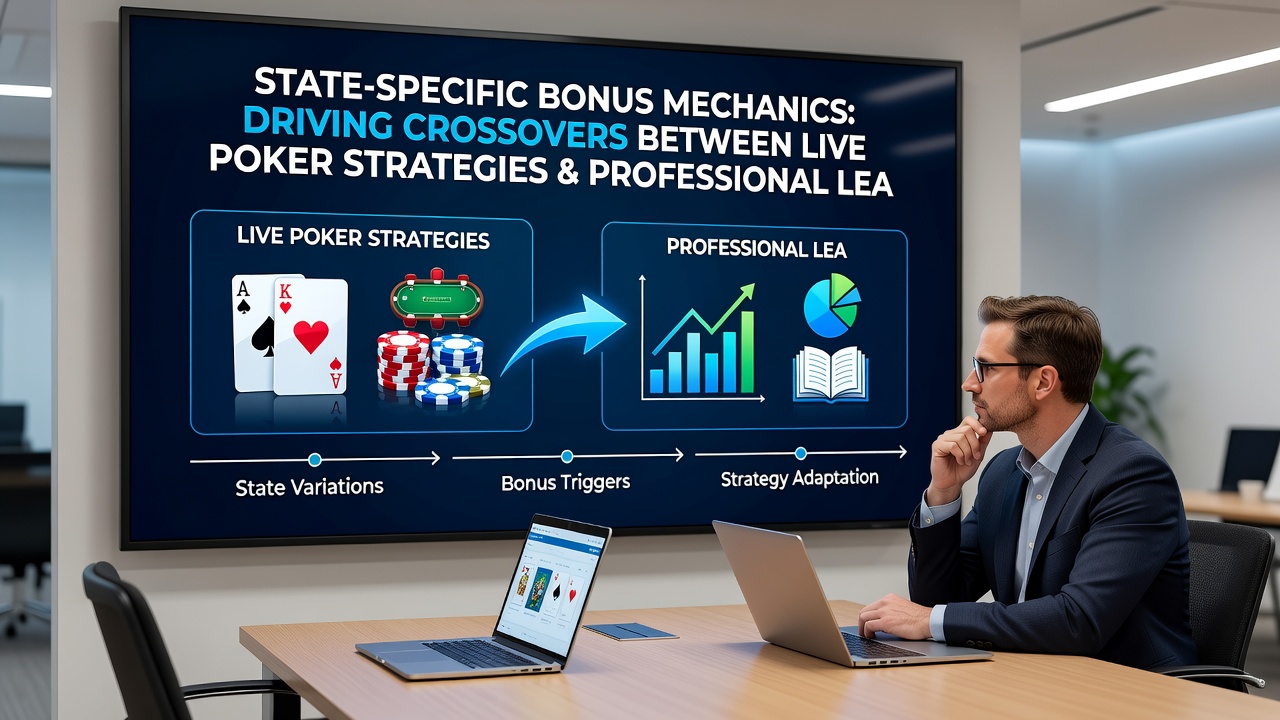
Those who study user behavior point to shared interface elements such as quick-bet sliders and pot-odds calculators that now appear in both poker and sports sections, which reduces the cognitive load when transferring concepts like implied odds from poker into implied value calculations for player props. State regulators in Colorado and Arizona require operators to publish bonus terms in plain language, and these disclosures have coincided with higher reported retention rates among players who alternate between the two verticals rather than specializing in one.
Device-Level Implementation
Handheld platforms incorporate push notifications that flag when bonus milestones can be advanced through either poker or prop activity, and this design choice aligns with findings from operator data that users open apps more frequently when multiple paths exist to complete requirements. November 2026 metrics released by several state gaming commissions show that cross-vertical sessions on mobile devices average 18 percent longer than single-vertical sessions, while average bet sizes remain comparable once users have activated state-specific incentives.
Payment flow integration further supports the pattern because bonus credits appear in unified wallets that feed both poker tables and prop markets without additional steps, and transaction records indicate reduced friction leads to quicker experimentation with strategies originally developed at live poker tables. Academic analyses of anonymized play data have identified clusters of users whose prop selection timing mirrors poker decision intervals, particularly during late-stage bonus clearing periods when remaining wagering requirements must be met before expiration.
Regulatory Context and Data Trends
According to American Gaming Association reports, states that updated bonus transparency rules in 2025 experienced steadier growth in combined poker and sports handle through late 2026, whereas markets with more opaque terms showed slower crossover adoption. Government statistics from multiple jurisdictions reveal that mobile prop selections now account for increasing shares of total sports wagering volume in states offering deposit-match structures that treat poker and sports equally for contribution purposes.
Trade group summaries further indicate that device-level tracking of bonus progress correlates with higher session counts across product types, and this holds even when individual states impose different tax treatments on gaming revenue. Observers tracking November 2026 activity note that states with unified bonus ledgers report elevated repeat engagement compared with those maintaining separate ledgers for table games versus sports products.
Conclusion
State bonus mechanics therefore function as structural bridges that allow poker-derived risk frameworks to migrate into professional league prop selections on handheld devices, and the pattern continues to appear in regulatory and operator data released through the end of 2026. Continued monitoring of these crossovers will depend on how individual jurisdictions adjust incentive structures and transparency requirements in subsequent regulatory cycles.