Player Adaptation Patterns Between Basketball Prop Selections and Mechanical Reel Sequences Across Expanding Digital Gaming Networks
Alex Lehmann · Aug 14, 2026
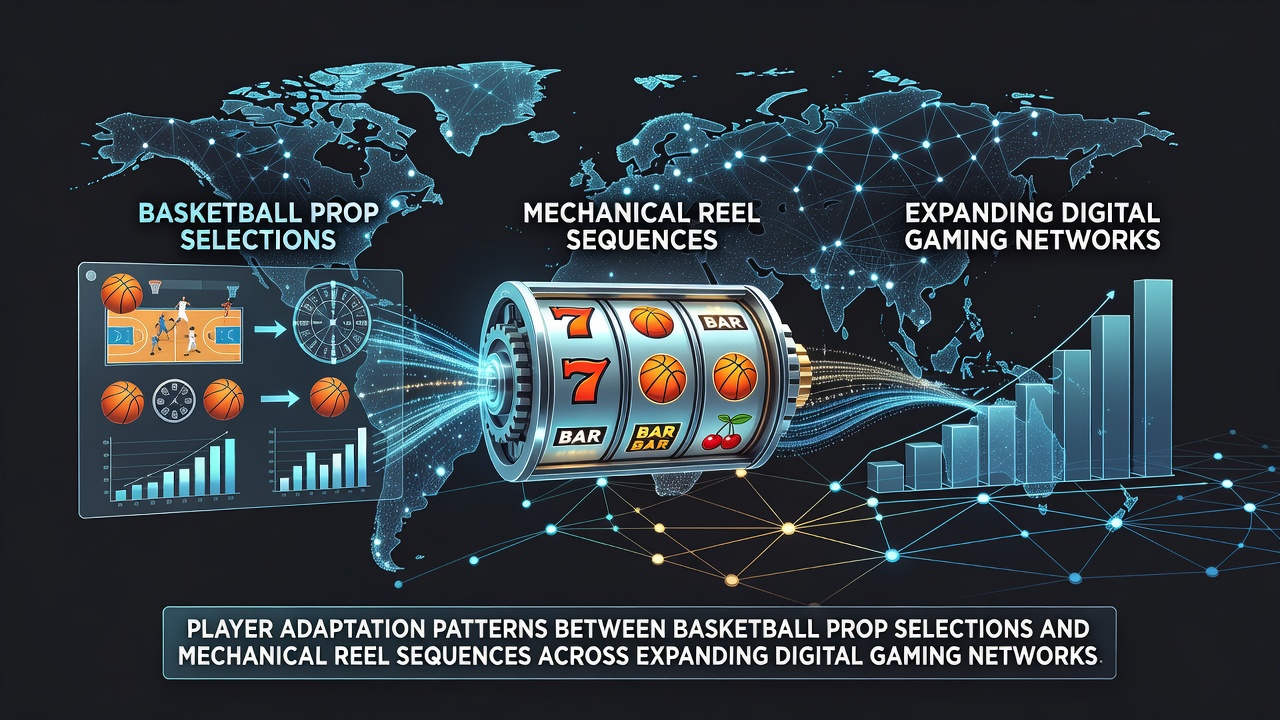
Player Adaptation Patterns Between Basketball Prop Selections and Mechanical Reel Sequences Across Expanding Digital Gaming Networks
Players move between basketball prop selections and mechanical reel sequences through digital platforms that connect these activities in real time, and researchers tracking usage data note distinct adaptation sequences where individuals shift focus after completing sports wagers. Data collected through August 2026 shows increased session lengths when users transition directly from prop markets on basketball games to reel-based games within the same application ecosystem.
Observed Transition Sequences in User Behavior
Studies from multiple jurisdictions reveal that users often complete a basketball prop selection involving player performance metrics before initiating sequences on mechanical reels, while platform logs indicate average dwell times on reel games rise by measurable percentages following sports activity. Those who monitor cross-category play report that individuals frequently alternate between the two formats within single sessions, and this pattern appears consistent across networks expanding in states with integrated mobile gaming infrastructure.
One analysis of aggregated transaction records found that prop bet completions on basketball events correlate with subsequent reel spins at rates that exceed random distribution, and operators have adjusted interface designs to accommodate these flows without disrupting either activity. Figures from platform providers demonstrate that users who engage with both categories maintain higher retention metrics than those who remain in a single vertical.
Role of Expanding Digital Networks
Digital gaming networks facilitate these adaptations by synchronizing data streams from sports betting modules with reel sequence engines, which allows seamless movement between categories. Observers note that network architecture in regions with updated licensing supports simultaneous display of basketball prop interfaces and reel animations, and this integration reduces friction for players who switch formats mid-session.
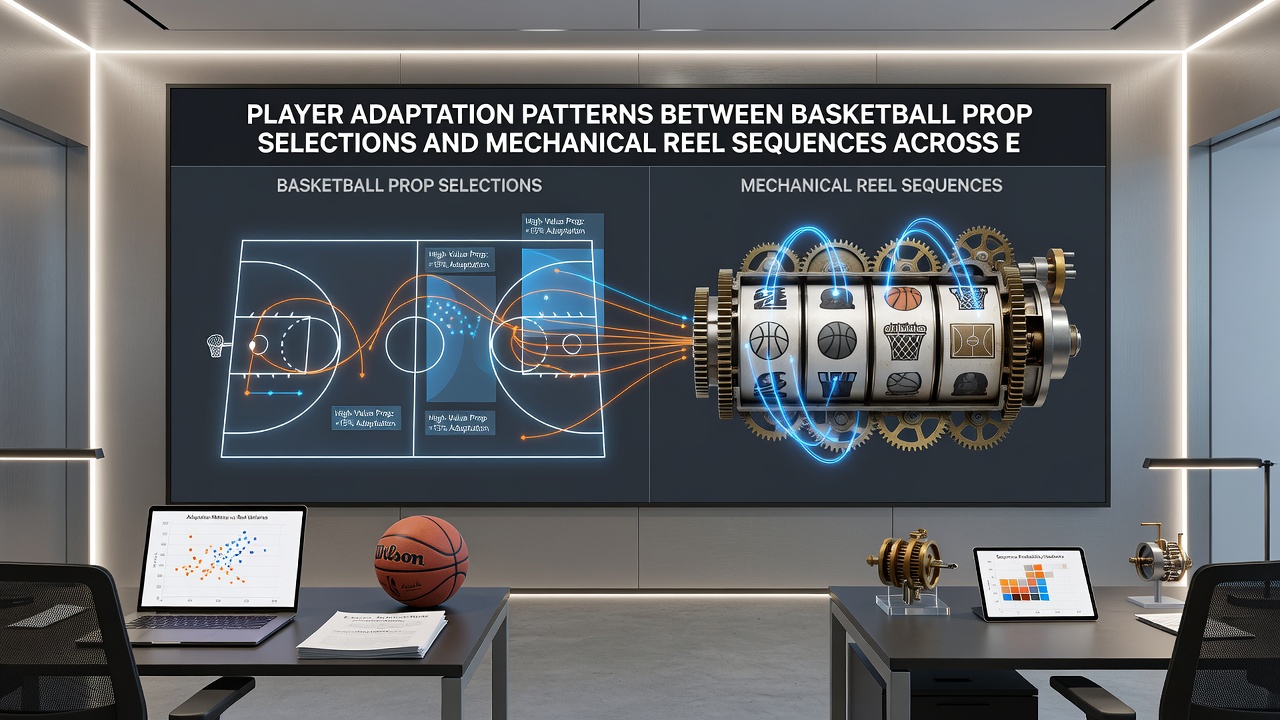
According to reports issued by the American Gaming Association, infrastructure upgrades completed in several markets during 2026 enabled faster load times between sports and reel modules, and these changes align with measured increases in cross-category participation. Network operators have documented that reel sequence algorithms sometimes adjust payout structures based on aggregate data from linked basketball prop activity, though individual outcomes remain governed by independent random number generators.
Data Patterns Recorded Through August 2026
Transaction volumes compiled through August 2026 indicate that basketball prop selections precede mechanical reel sessions in approximately 38 percent of combined user journeys across monitored platforms, and this proportion holds steady in jurisdictions where multiple game types operate under unified licensing. Researchers examining these flows highlight that peak transition periods occur in evening hours when basketball schedules overlap with standard reel gaming availability windows.
Case records from one network operator showed clusters of users completing prop selections on specific basketball metrics before moving to reel games featuring similar thematic elements, while aggregate statistics from other providers confirm comparable clustering without establishing direct causation. The Australian Gambling Research Centre published findings in mid-2026 that tracked similar adaptation sequences across international digital networks, noting parallel timing patterns between sports and reel categories.
Interface Design Influences on Adaptation
Platform designers incorporate navigation elements that guide users from basketball prop selections toward mechanical reel sequences through shared account balances and unified session tracking, and these features appear in multiple expanding networks. Data logs reveal that users who encounter persistent reel recommendations after sports activity demonstrate higher completion rates for reel sequences than those without such prompts.
Technical specifications released by software providers detail how reel sequence engines pull contextual signals from active sports markets to tailor spin animations, and this linkage operates within regulatory boundaries that maintain separation between game categories. Observers tracking August 2026 usage patterns report that adaptation frequency increases when interfaces present both options within a single dashboard view.
Conclusion
Patterns of player movement between basketball prop selections and mechanical reel sequences continue to develop as digital gaming networks expand, with data through August 2026 providing measurable indicators of transition frequency and session behavior. Platform operators and regulatory bodies maintain records that document these flows across jurisdictions, and ongoing analysis supports continued observation of adaptation metrics in evolving environments.