Payment Processing Rules Steer Bettors Away from Equine Markets Toward App-Based Blackjack
Theo Krause · Aug 19, 2026
Payment Processing Rules Steer Bettors Away from Equine Markets Toward App-Based Blackjack
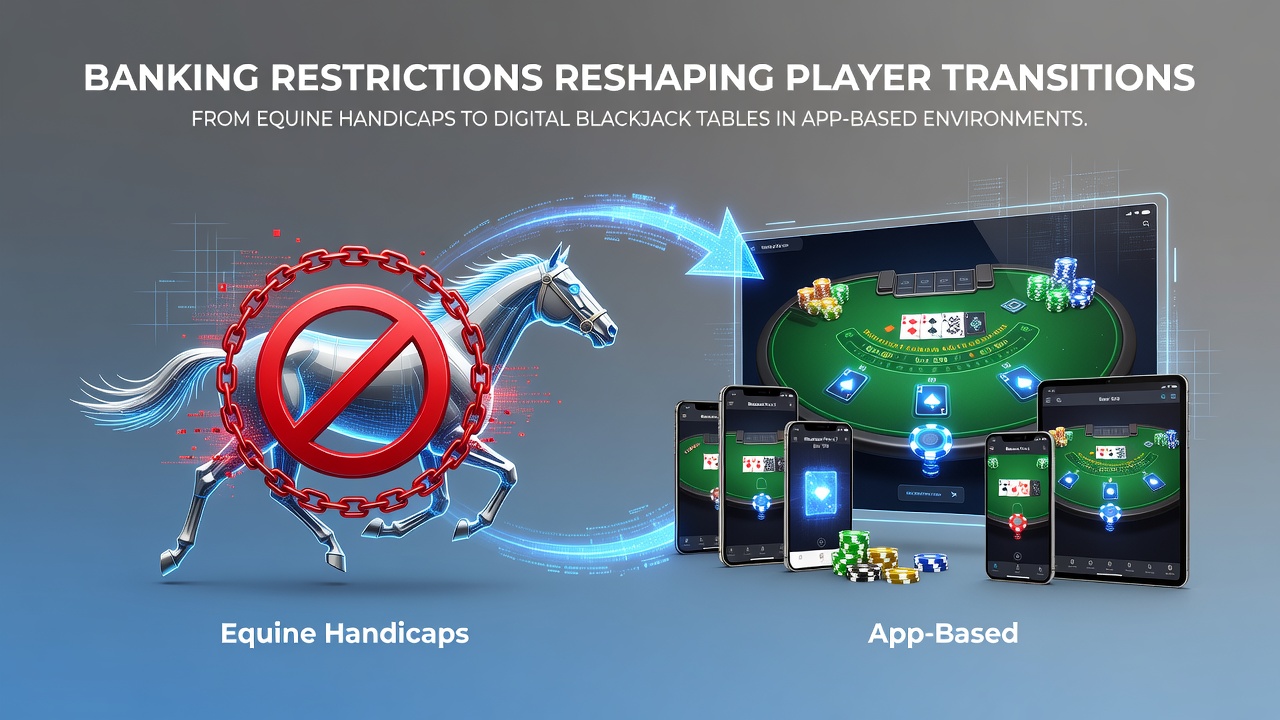
Banking restrictions have altered how players move between traditional equine handicaps and digital blackjack environments in recent years, with financial institutions tightening transaction categories for certain gambling activities. Data from state regulatory filings show increased scrutiny on wire transfers and card payments tied to racetrack betting accounts, prompting many participants to explore app ecosystems that accept alternative funding methods for table games.
Changes in Financial Gatekeeping
Payment processors began applying stricter merchant category codes to horse racing platforms in multiple jurisdictions after 2024 policy updates, which limited direct bank linkages for pari-mutuel wagers. Observers note that these codes often flag equine betting as higher-risk compared with casino-style products, leading to declined transactions or added verification steps that slow down play. In contrast, many digital blackjack applications integrated with fintech providers that route funds through entertainment or gaming categories, bypassing some of the same hurdles.
August 2026 reports from several midwestern gaming commissions indicate that equine betting volumes through traditional bank channels dropped by measurable percentages while app-based blackjack sessions rose in the same markets. Those figures align with broader trends where operators adjusted their payment partnerships to maintain player access.
Player Migration Patterns
Bettors who previously focused on handicapping horses at tracks or through dedicated apps now encounter friction when attempting to fund accounts via standard checking or savings transfers. Research indicates that players often test multiple funding routes before settling on platforms that support prepaid cards, e-wallets, or cryptocurrency options for blackjack tables. This shift occurs because digital blackjack interfaces frequently embed payment solutions designed for rapid deposits and withdrawals, reducing the delays associated with equine market transactions.
One study released by a Canadian research institute tracked account activity across borders and found that users who reduced equine wagers by more than 30 percent redirected portions of those funds into mobile blackjack environments within the same calendar quarter. The pattern held across different age groups, though younger participants showed faster adoption of app-based alternatives once banking friction appeared.
Regulatory Context Across Regions
State legislatures in emerging markets continue to refine rules around payment processing for all forms of gambling, yet distinctions remain between sports-adjacent products like horse racing and pure casino offerings such as blackjack. According to data compiled by the International Gaming Research Institute, jurisdictions that updated licensing requirements in 2025 saw clearer separation in how apps categorize transaction types. This separation allows blackjack operators to maintain smoother banking relationships while equine platforms face continued classification challenges.

European operators have reported parallel developments, with banking directives from EU member states influencing how cross-border players fund accounts. Those directives emphasize consumer protection measures that sometimes classify equine betting differently from automated table games, creating incentives for players to consolidate activity within single-app environments that emphasize blackjack.
Technology and Interface Adaptations
App developers responded by embedding in-app tools that guide users from one product category to another when payment issues arise. Features such as balance transfer prompts and game recommendation engines now highlight blackjack tables when equine funding attempts fail or face delays. Industry reports show that these built-in pathways increased retention rates for operators who implemented them early in the 2025 cycle.
August 2026 analytics from several major platforms reveal that sessions involving both horse racing and blackjack within the same app rose notably compared with prior years, suggesting players maintain interest in multiple formats even as banking routes change. The seamless handoff between sections reduces friction that might otherwise push participants entirely off-platform.
Market Data and Revenue Shifts
Revenue tracking services documented that digital blackjack products captured a larger share of total mobile gambling spend in states where equine banking restrictions tightened most noticeably. Figures reveal year-over-year growth in blackjack app revenue that outpaced equine product growth by several percentage points during the first half of 2026. This redistribution occurred without corresponding changes in overall player participation numbers, indicating internal movement rather than new market entry.
Operators adjusted marketing strategies accordingly, directing promotional offers toward blackjack tables when equine accounts showed reduced activity. Those campaigns often referenced the ease of funding through integrated payment systems already accepted by the app, reinforcing the practical advantages for users encountering banking obstacles elsewhere.
Conclusion
Banking restrictions continue to influence how players allocate funds between equine handicaps and digital blackjack tables in app environments, with measurable effects visible in transaction data and session metrics through August 2026. Regulatory distinctions in payment categorization, combined with technological adaptations by operators, have produced observable migration patterns across multiple jurisdictions. Continued monitoring of these financial and interface dynamics will determine the long-term balance between the two product categories as payment rules evolve further.