Midwest Regulatory Updates Drive Bettors Toward Mobile Wheel Options Over Traditional Track Handicaps
Riley Wagner · Aug 24, 2026
Midwest Regulatory Updates Drive Bettors Toward Mobile Wheel Options Over Traditional Track Handicaps
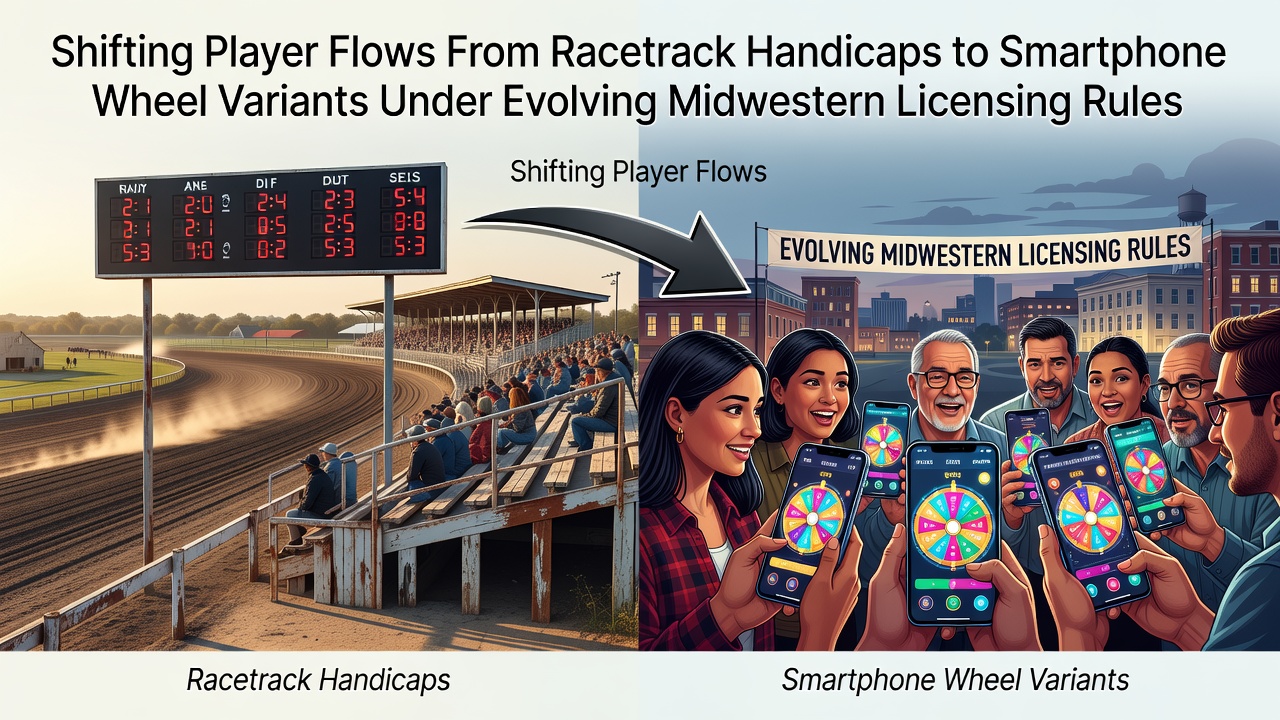
State licensing frameworks across the Midwest continue to expand in ways that affect how players approach different gaming formats, and data from regulatory filings show measurable movement from racetrack handicaps toward smartphone wheel variants as mobile access grows. Illinois, Indiana, Michigan, and Ohio have each adjusted rules around online platforms since 2023, creating pathways for operators to offer wheel-based games that mirror elements of table play while operating under sports wagering or casino licenses.
Licensing Changes Across Key States
Illinois expanded its mobile gaming permissions in early 2025, allowing licensed operators to integrate wheel variants into existing apps that already handled sports bets and casino-style games, and similar updates in Indiana tied new operator permits to requirements for responsible gaming tools that cover both trackside and digital formats. Michigan's Gaming Control Board released updated compliance guidelines in spring 2026 that clarified how wheel games fit within existing internet gaming authorizations, while Ohio's Casino Control Commission approved pilot programs in July 2026 that let certain racetrack-affiliated operators test mobile wheel offerings. These adjustments occurred alongside broader revenue reporting requirements that track player migration patterns between product categories.
Figures released by state gaming agencies indicate that handle from racetrack wagering in the four-state region declined by roughly 8 percent year-over-year through the first half of 2026, whereas mobile wheel transaction volumes rose by 14 percent over the same period. Observers note that the pattern aligns with the rollout of updated apps that bundle wheel games with existing sports and casino content rather than requiring separate accounts.
Player Behavior Patterns in August 2026
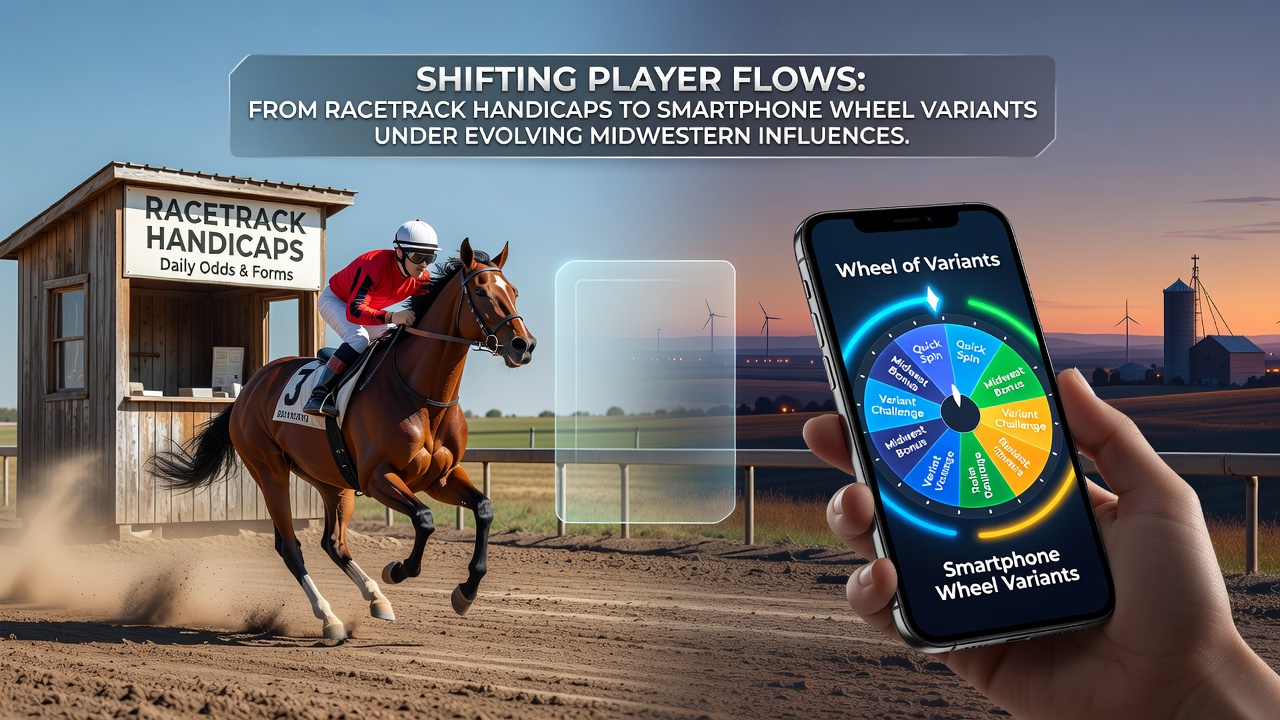
By August 2026, several operators had reported that a growing share of new account sign-ups originated from users who previously engaged primarily with racetrack content. One Indiana operator documented that 22 percent of its mobile wheel activity came from accounts that had placed at least one track bet in the prior twelve months, according to internal metrics shared with regulators. The crossover appears driven by convenience factors, including push notifications and unified wallets that reduce friction between different game types.
Industry reports from the American Gaming Association highlight how midwestern operators have adapted marketing strategies to emphasize the continuity between handicapping skills and wheel variant decision-making, even though the mechanical elements differ. Educational materials distributed through state-approved channels explain probability structures without favoring one format, and several platforms now include tools that let users review historical performance across both track and mobile products.
Operational Adjustments by License Holders
Operators holding multiple license types have restructured their product portfolios to meet new reporting standards that separate mobile wheel activity from traditional pari-mutuel pools. In Michigan, two major platforms introduced segmented leaderboards in late July 2026 that allow players to compare results from wheel sessions against prior racetrack performance, and similar features appeared in Ohio apps shortly afterward. These tools emerged after regulators requested clearer data on how players distribute activity across licensed categories.
Equipment suppliers have also responded by developing wheel variants that incorporate timing mechanics reminiscent of track starts, although regulatory approvals still require independent testing for fairness and random number integrity. The National Council on Problem Gambling has collaborated with midwestern commissions on voluntary self-exclusion lists that now cover both physical tracks and mobile platforms under single statewide registrations.
Revenue and Compliance Data
State revenue summaries for the period ending July 2026 show that mobile gaming taxes collected in Illinois and Indiana increased by 11 percent compared with the prior year, while racetrack contributions remained flat. Compliance audits conducted by the Indiana Gaming Commission found that operators met new disclosure requirements for wheel variant odds within the mandated timelines, and Michigan's quarterly reports indicated no significant deviations from expected hold percentages. These outcomes reflect the incremental nature of the regulatory evolution rather than abrupt policy overhauls.
Conclusion
Current licensing structures in the Midwest continue to shape how operators present wheel variants alongside established racetrack products, and ongoing data collection by state agencies provides visibility into player distribution across formats. As August 2026 figures become available, further adjustments to app features and compliance protocols are expected to follow the same measured pattern observed since 2023.