Coastal Licensing Updates Steer Gridiron Prop Bets Toward Smartphone Live Dealer Formats
Alex Lehmann · Oct 22, 2026
Coastal Licensing Updates Steer Gridiron Prop Bets Toward Smartphone Live Dealer Formats
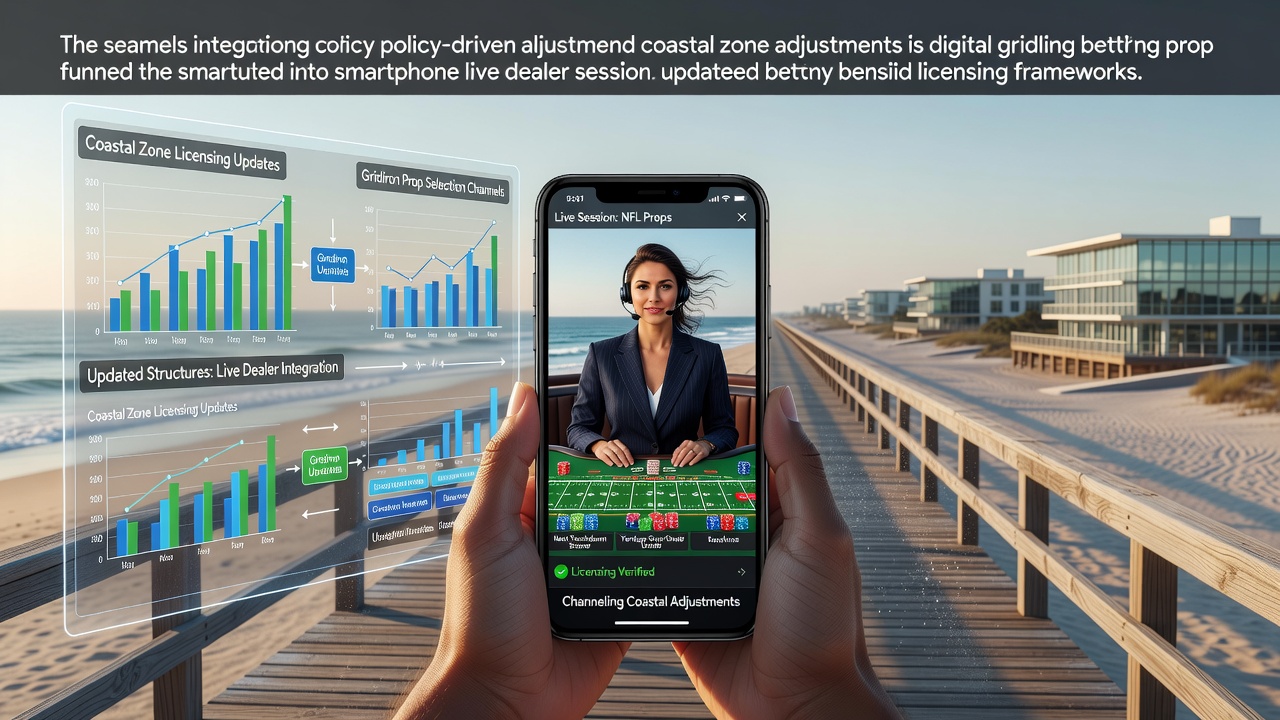
Policy adjustments along U.S. coastal zones have begun redirecting selections on gridiron props into smartphone live dealer sessions, and updated licensing structures play a central role in that shift. Data from state regulatory filings shows several coastal jurisdictions revised operator agreements during 2025 and 2026, which in turn expanded the pathways available for football prop wagers to connect with mobile table game environments.
Regulatory Revisions Along the Coastline
States with Atlantic and Gulf shorelines implemented new license conditions that require operators to maintain unified platforms capable of handling both sports event props and live dealer streams. Observers note these clauses emerged after legislative sessions concluded in spring 2026, when coastal commissions sought to consolidate oversight under single digital frameworks rather than separate verticals. Figures released by the New Jersey Division of Gaming Enforcement in October 2026 indicated that 18 licensed entities had already amended their mobile terms to include integrated prop-to-live-dealer routing features.
Similar patterns appear in Florida and Maryland, where coastal gaming authorities tied renewal approvals to the presence of cross-product APIs. Those APIs allow users who place gridiron prop selections to transition directly into live dealer sessions without leaving the same application. Researchers tracking these changes found the adjustments reduced the number of separate logins required, though total handle volumes remained governed by existing sports wagering caps.
Integration Mechanisms in Mobile Ecosystems
Updated licensing structures specify that operators must offer real-time data feeds linking football prop outcomes to live dealer game states. This requirement appears in revised coastal permits issued after mid-2025, and it compels technology providers to embed conditional triggers within smartphone interfaces. One documented case involves a Delaware River port operator whose platform now routes successful prop settlements into live roulette or blackjack queues based on user preference settings established at account creation.
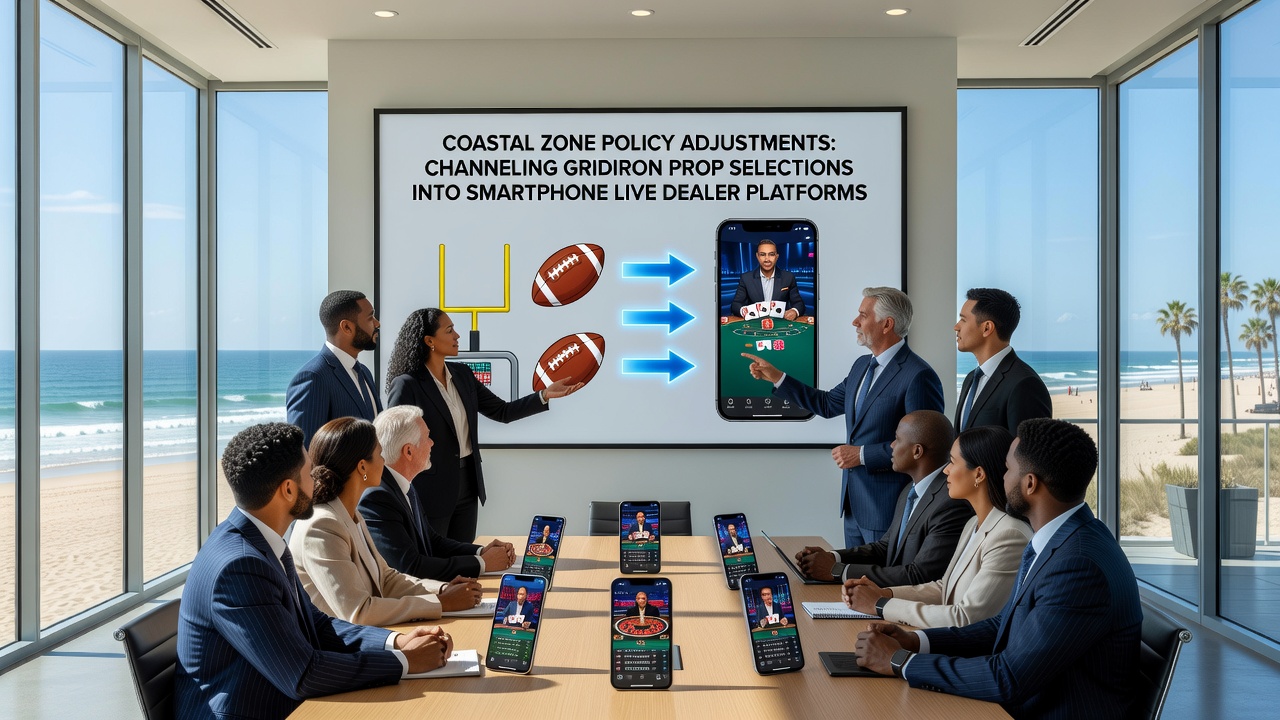
Coastal commissions further stipulated that these connections must occur within the same licensed entity, preventing external redirects that previously fragmented player activity across unrelated applications. Industry reports compiled by the National Council on Problem Gambling note that such containment clauses appeared in 12 coastal zone amendments processed between January and September 2026. The clauses also mandate audit trails that record every transition from gridiron prop selection to live dealer participation.
Geographic and Jurisdictional Patterns
Coastal zones differ from inland markets because many already operated overlapping casino and sports licenses before the latest wave of updates. In these areas, authorities leveraged existing dual-license holders to pilot the new integration rules. Data indicates that operators in Atlantic City and Biloxi completed pilot programs by summer 2026, after which statewide rollouts followed. Inland states without prior coastal-style dual licensing tended to maintain separate verticals longer, creating observable differences in how quickly prop-to-live-dealer flows appeared on user devices.
October 2026 filings from several coastal commissions list 27 active mobile applications that now display both gridiron prop menus and live dealer lobbies within a single navigation structure. Those filings further record average session durations for users who cross between the two product types, providing regulators with baseline metrics for future compliance reviews.
Compliance and Reporting Requirements
Licensing revisions introduced quarterly reporting obligations focused on cross-product movement. Operators must submit anonymized logs showing the percentage of gridiron prop selections that subsequently enter live dealer sessions, along with timestamps and device identifiers stripped of personal data. The Malta Gaming Authority published comparative notes on similar reporting structures used in European coastal jurisdictions, offering U.S. regulators reference frameworks for data standardization.
These obligations extend to third-party software vendors who supply the underlying routing engines. Vendors must certify that their code prevents prop selections from triggering live dealer play outside the licensed coastal operator's controlled environment. Enforcement actions described in commission minutes indicate two coastal operators received corrective notices in September 2026 for incomplete transition logs, prompting rapid updates to their reporting dashboards.
Conclusion
Coastal zone licensing structures continue to shape the technical pathways connecting gridiron prop selections with smartphone live dealer sessions. State filings through October 2026 document measurable adoption of integrated routing features, standardized reporting, and cross-product compliance measures that distinguish these jurisdictions from others. The resulting frameworks provide regulators with clearer visibility into how different wagering types interact within single mobile applications.