Central U.S. Licensing Shifts Spark New Ties Between Football Prediction Platforms and Virtual Roulette Systems
Alex Lehmann · Aug 24, 2026
Central U.S. Licensing Shifts Spark New Ties Between Football Prediction Platforms and Virtual Roulette Systems
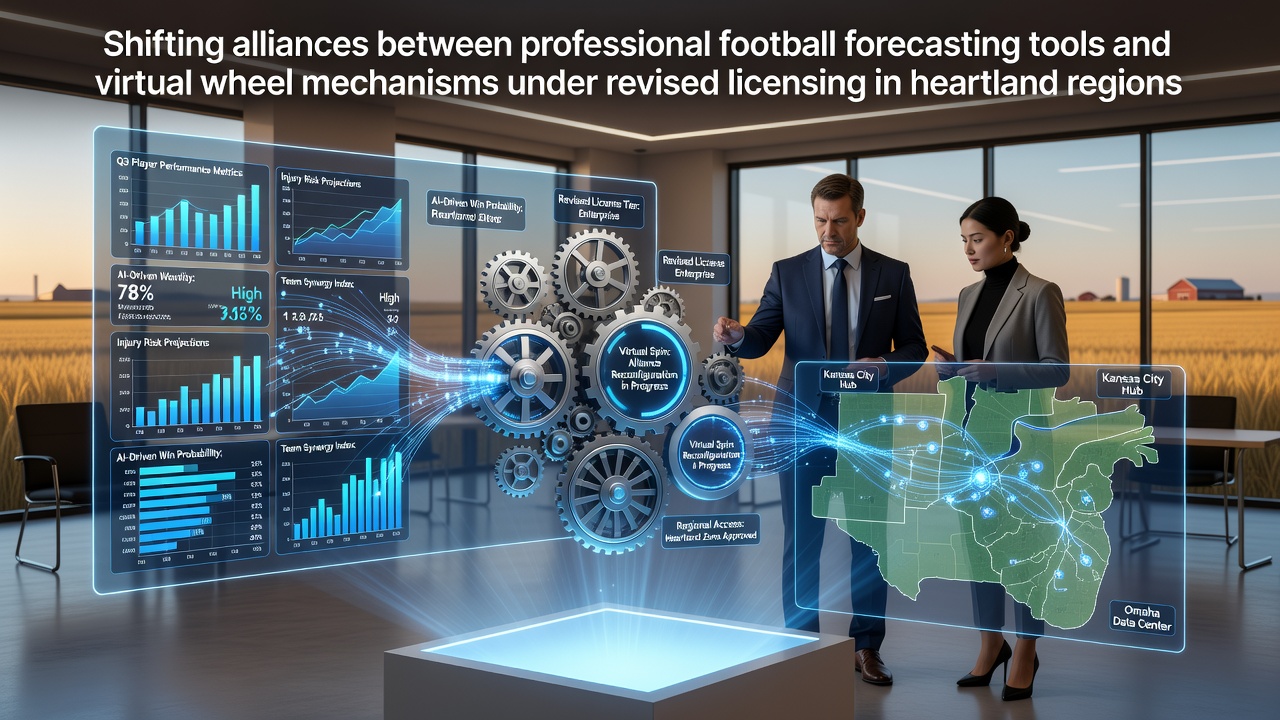
Regulatory adjustments across several heartland states have prompted operators to explore fresh integrations between professional football analytics platforms and virtual wheel gaming interfaces, with activity accelerating through the summer of 2026. States including Ohio, Indiana, and Illinois introduced updated licensing provisions earlier in the year that permit shared data frameworks and cross-platform functionality, allowing prediction algorithms traditionally used for NFL prop selections to interface with randomized wheel outcomes in digital casino environments.
Policy Updates Drive Technical Collaborations
Revised statutes in these jurisdictions now require operators to maintain separate licensing categories for sports wagering and casino-style games while encouraging interoperability under single-entity oversight, and this structure has led developers to form alliances that combine statistical modeling from football forecasts with the random number generation protocols of virtual wheel mechanisms. Data from state regulatory filings shows that applications for combined platform approvals rose by 18 percent between January and July 2026, reflecting operator interest in unified user experiences that transition seamlessly between sports markets and wheel-based titles.
Platform Adaptations in Key Markets
Operators in Ohio began testing these hybrid systems in pilot programs during August 2026, where users access football forecasting modules alongside virtual roulette wheels through the same mobile interface, and similar trials have been documented in Indiana following the state's mid-year licensing clarification. These arrangements rely on encrypted data handoffs that maintain compliance with age verification and transaction monitoring rules while enabling predictive insights from one vertical to inform engagement patterns in the other. Industry reports indicate that participating platforms recorded average session durations extending by 12 minutes when such crossovers were active, though exact revenue impacts remain under review by state auditors.
Technical partnerships have emerged between established sports data providers and casino software firms specializing in wheel simulations, with several agreements announced in the second quarter of 2026 that focus on API standardization across state lines. Observers note that these collaborations address compatibility challenges arising from differing tax structures on sports bets versus casino wagers, and they allow operators to allocate marketing resources more efficiently under the revised frameworks.
Implementation Patterns Across Jurisdictions
Illinois regulators issued guidance in late July 2026 that explicitly addresses data sharing between licensed sports forecasting tools and virtual gaming engines, requiring operators to submit interoperability test results prior to full deployment. This approach mirrors earlier steps taken in Missouri, where similar provisions took effect in spring 2026 and produced measurable increases in licensed platform combinations. Research from the American Gaming Association tracks these developments and shows that heartland states accounted for 27 percent of new hybrid licensing submissions nationwide during the first half of 2026.
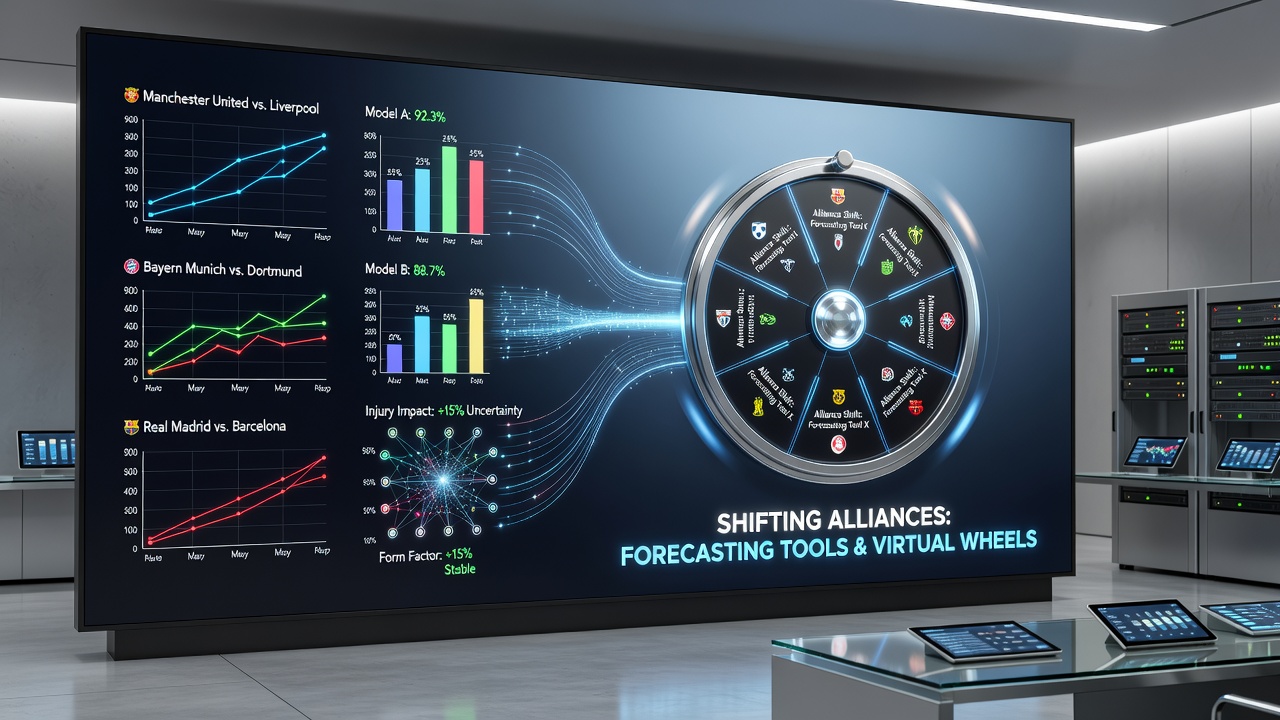
Developers have responded by embedding modular components that let football prediction outputs influence wheel spin parameters or bonus triggers without altering core randomness standards, and these modifications comply with existing fairness certifications. Case examples from Indiana demonstrate that operators who adopted such integrations early reported smoother regulatory reviews compared with those maintaining fully separate systems.
Market Response and Compliance Adjustments
Compliance teams at multiple operators have expanded their reporting protocols to cover both sports and virtual gaming segments under unified dashboards, reducing duplication in audit processes that state agencies conduct quarterly. Figures released by the Indiana Gaming Commission reveal that combined platform approvals processed in August 2026 exceeded those handled in any prior single month, indicating sustained momentum behind the alliance trend.
Training programs for platform administrators now incorporate modules on managing transitions between predictive analytics and wheel mechanics, ensuring staff understand the distinct regulatory obligations attached to each product type. These programs draw on guidance documents issued by state bodies and emphasize documentation practices that support ongoing oversight.
Conclusion
Revised licensing structures in heartland regions continue to shape how professional football forecasting tools and virtual wheel mechanisms operate within shared ecosystems, with measurable activity registered through August 2026. State-level data collection efforts and industry filings provide the primary record of these developments, while operators adjust technical and compliance frameworks to align with evolving requirements. Further updates from regulatory agencies are expected as additional platforms complete testing phases in the coming months.